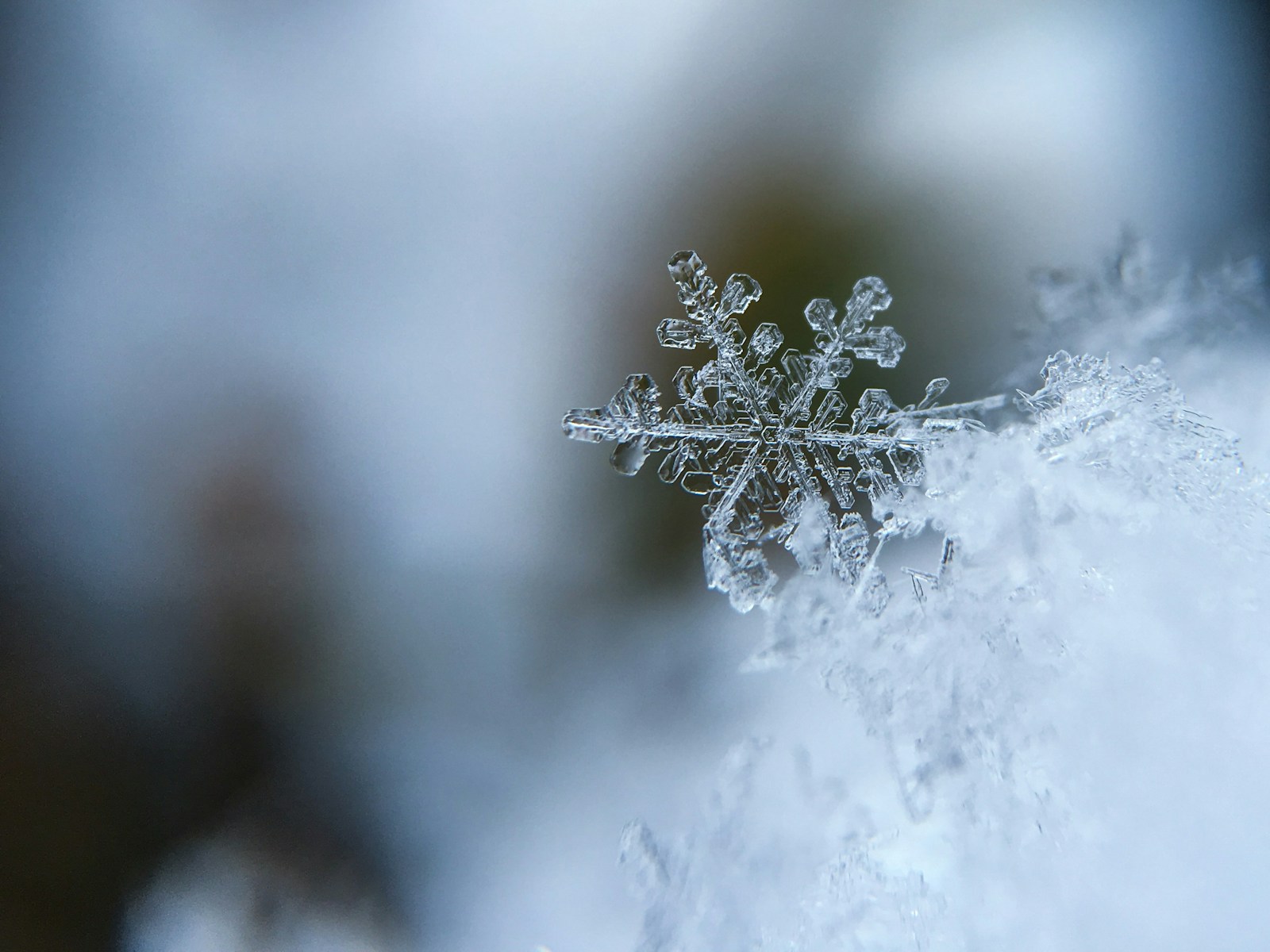
Texas may be known for its long, hot summers, but sudden cold snaps can catch pool owners off guard. Even a brief freeze can crack pipes, damage equipment, and lead to costly repairs come spring. Here’s a practical guide to keeping your pool safe when temperatures drop.
Keep Water Circulating
Run your pump continuously during freezing weather. Moving water is far less likely to freeze, and circulation helps protect plumbing lines.
If your pool has automation, set it to “freeze protection mode” so the system automatically kicks in when temperatures drop.
Insulate Exposed Pipes & Equipment
Wrap pipes, valves, and exposed equipment with insulation or towels to shield them from direct cold.
For added protection, use pipe insulation sleeves or pool-specific covers.
Balance & Clean Before the Freeze
Cold weather doesn’t stop debris from collecting. Skim leaves and dirt to prevent clogging your filtration system.
Test and balance water chemistry before a freeze. Properly treated water reduces the risk of algae or staining during downtime.
Cover Your Pool
A durable pool cover helps retain heat, reduce debris, and protect the water surface.
Covers also minimize evaporation, which can be a problem in dry winter air.
Monitor Equipment & Power
Check that heaters, pumps, and timers are working correctly before the cold snap hits.
If power outages occur, drain water from pumps and filters to prevent cracking.
Long-Term Benefits of Winterization
Preventing freeze damage saves thousands in repair costs.
Proper winterization extends the life of your pool and equipment, ensuring you’re ready for summer without delay.
Key Takeaways
- Run your pump to keep water moving.
- Insulate pipes and equipment against freezing.
- Balance water chemistry and keep the pool clean.
- Cover your pool to protect against debris and heat loss.
- Monitor systems and be prepared for outages.
By taking these steps, you’ll protect your investment and avoid costly repairs when spring arrives. 🌱